MK677 Lab Home

Category

Clinical Research & Safety

14 articles

Does MK-677 Actually Sharpen the Mind? Evaluating the Neurological Evidence Behind Growth Hormone and Cognitive Performance

Does MK-677 Actually Sharpen the Mind? Evaluating the Neurological Evidence Behind Growth Hormone and Cognitive Performance

MK-677's potential cognitive benefits have generated considerable speculation within research communities, yet the human evidence remains strikingly thin. This article examines what preclinical science reveals about growth hormone's neuroprotective mechanisms, where clinical data falls short, and why separating genuine biological signal from placebo effect is harder than it appears.

When the Lab Meets the Real World: Reconciling Clinical Trial Data With Self-Reported MK-677 Experiences

When the Lab Meets the Real World: Reconciling Clinical Trial Data With Self-Reported MK-677 Experiences

Controlled clinical trials and community-reported experiences with MK-677 frequently tell different stories — and the gap between them is scientifically meaningful. This analysis examines patterns emerging from user forums, informal surveys, and observational data to identify where published research may underrepresent certain outcomes. Understanding these discrepancies offers a more complete picture of how MK-677 behaves outside the constraints of a randomized controlled trial.

Age as a Variable: How Physiological Changes in Older Adults Reshape MK-677's Efficacy and Risk Profile

Age as a Variable: How Physiological Changes in Older Adults Reshape MK-677's Efficacy and Risk Profile

Aging introduces a cascade of hormonal, metabolic, and cellular shifts that fundamentally alter how the body interacts with growth hormone secretagogues like MK-677. Research suggests that older adults do not simply represent a scaled-down version of younger subjects — they constitute a physiologically distinct population requiring separate analytical frameworks. This article examines what the clinical data reveals about MK-677's behavior across different life stages and what those differences m

Cataloging the Risk: A Structured Review of MK-677 Adverse Events Across Clinical Trials and Extended User Observations

Cataloging the Risk: A Structured Review of MK-677 Adverse Events Across Clinical Trials and Extended User Observations

Understanding the true safety profile of MK-677 requires moving beyond anecdote and examining the systematic evidence from controlled clinical trials alongside real-world longitudinal reports. This review organizes adverse event data by frequency, dose-dependency, and population characteristics to offer researchers a rigorous framework for evaluating the compound's risk-benefit landscape.

Bridging the Species Divide: Why Rodent Findings on MK-677 Don't Always Translate to Human Outcomes

Bridging the Species Divide: Why Rodent Findings on MK-677 Don't Always Translate to Human Outcomes

Preclinical MK-677 research conducted in rodent models has generated compelling findings, yet the leap from mouse metabolism to human physiology is rarely straightforward. This analysis examines the methodological fault lines, dosing disparities, and biological differences that separate preliminary animal signals from clinically validated human outcomes. Researchers and informed readers alike benefit from understanding precisely where the evidence holds firm and where extrapolation begins.

Growth Hormone, Immunity, and MK-677: What the Research Reveals About Inflammatory Signaling and Immune Regulation

Growth Hormone, Immunity, and MK-677: What the Research Reveals About Inflammatory Signaling and Immune Regulation

MK-677's capacity to elevate endogenous growth hormone and IGF-1 carries implications that extend well beyond muscle and bone metabolism. Emerging clinical and preclinical evidence suggests that GH stimulation through ghrelin receptor agonism may meaningfully influence immune cell behavior, inflammatory marker profiles, and the body's capacity to maintain immune homeostasis. This review examines what the published science currently supports — and where significant uncertainty remains.

MK-677 in Context: A Pharmacological Comparison With Other GH-Stimulating Compounds and What the Evidence Reveals About Efficacy and Safety

MK-677 in Context: A Pharmacological Comparison With Other GH-Stimulating Compounds and What the Evidence Reveals About Efficacy and Safety

Understanding MK-677's place within the broader landscape of growth hormone secretagogues requires a rigorous, evidence-grounded comparison of mechanism, bioavailability, hormonal output, and clinical safety profiles. This article evaluates how MK-677 distinguishes itself from peptide-based secretagogues and exogenous GH administration, offering researchers a framework for interpreting compound-specific findings and designing appropriately controlled studies.

Cardiac Considerations in MK-677 Research: Parsing Clinical Evidence on Blood Pressure, Vascular Function, and Heart Outcomes

Cardiac Considerations in MK-677 Research: Parsing Clinical Evidence on Blood Pressure, Vascular Function, and Heart Outcomes

As MK-677 continues to attract attention in longevity and body composition research, its cardiovascular safety profile remains a critical area of scientific scrutiny. This article systematically examines published clinical trial data on blood pressure regulation, arterial dynamics, and cardiac endpoints, distinguishing between mechanistic hypotheses and actual human evidence. Researchers will find a structured assessment of what the data currently supports—and where meaningful knowledge gaps per

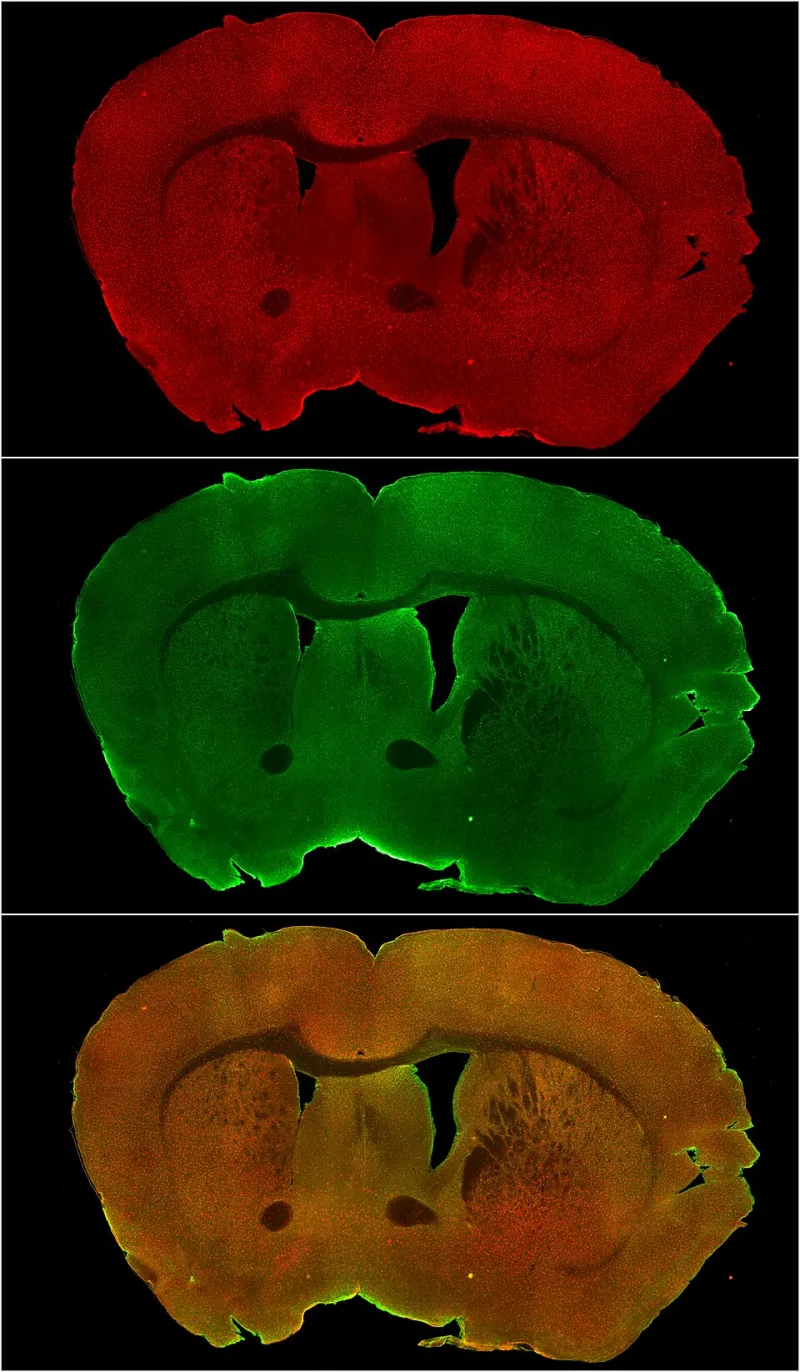
Neurons, Neuropeptides, and MK-677: What the Science Actually Reveals About Brain Health

Neurons, Neuropeptides, and MK-677: What the Science Actually Reveals About Brain Health

MK-677 has generated considerable discussion around its potential effects on cognition and brain health, yet the scientific record on this topic remains far less developed than research on its musculoskeletal applications. This article examines the neurobiological pathways through which MK-677 may influence brain function, evaluates the available peer-reviewed evidence on neuroprotection and neuroplasticity, and draws a clear line between what clinical data supports and what remains speculative.

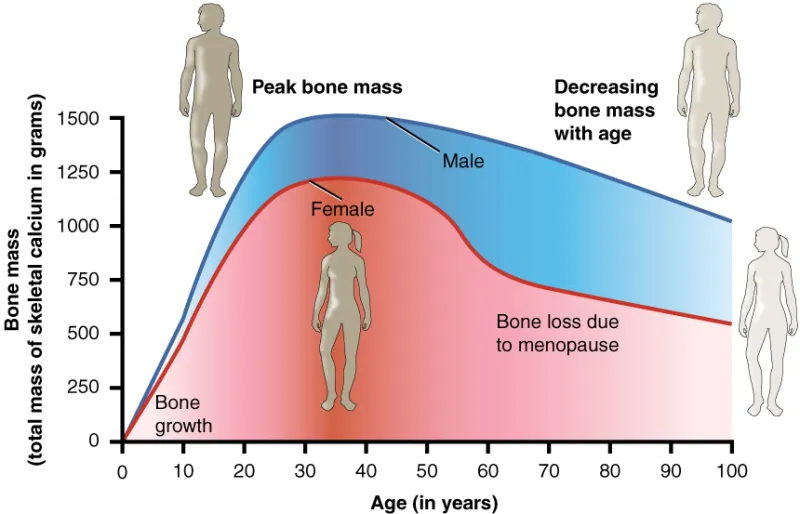
Skeletal Strength Under the Microscope: Evaluating Clinical Evidence for MK-677's Effects on Bone Density and Fracture Outcomes

Skeletal Strength Under the Microscope: Evaluating Clinical Evidence for MK-677's Effects on Bone Density and Fracture Outcomes

Bone health represents one of the more clinically significant areas of MK-677 research, particularly given the compound's documented effects on growth hormone and IGF-1—two hormones with well-established roles in skeletal remodeling. This article synthesizes available clinical data on MK-677's influence on bone mineral density, osteoblast activity, and fracture risk, while carefully delineating what the evidence supports and where meaningful research gaps persist, especially for aging population

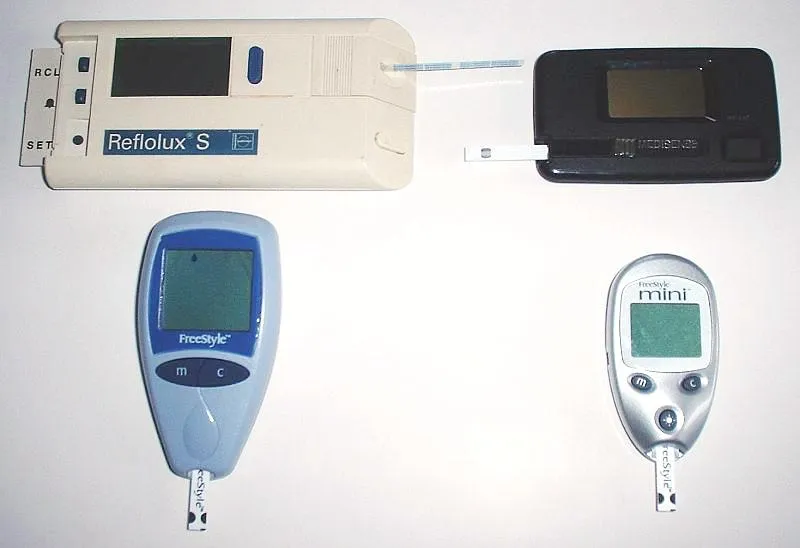
Glucose, Insulin, and MK-677: Parsing the Metabolic Evidence From Clinical Research

Glucose, Insulin, and MK-677: Parsing the Metabolic Evidence From Clinical Research

MK-677's effects on growth hormone and IGF-1 carry meaningful downstream consequences for glucose metabolism and insulin sensitivity—consequences that clinical researchers have been actively studying for over two decades. This article examines the peer-reviewed evidence on MK-677's metabolic profile, separating documented concerns from speculative claims and assessing what the data actually supports.

MK-677's Unfinished Story: Mapping the Evidence Gaps, Ongoing Trials, and the Research Road Ahead

Despite decades of preliminary investigation, MK-677 remains a compound with significant unanswered questions surrounding its long-term safety profile and extended physiological effects. This investigative piece surveys the current clinical trial landscape, identifies the health outcomes that still lack robust longitudinal data, and examines the structural reasons why ibutamoren continues to occupy research — rather than approved therapeutic — status. It is a candid assessment of what science cu